Marsaction: Infinite Ambition
- 4.3
- Rating
- 5.00M
- Installs
- Free
- Price

 Analysis by App-foxy
Marsaction: Infinite Ambition is a strategy game from LeyiGames that puts me in charge of humanity’s struggle to survive on Mars. Its premise is easy to understand, but the experience is less about a quick burst of action and more about making a series of decisions, checking progress, and deciding where my limited attention should go next. I found it most appealing when I treated it as a game I could return to throughout the day rather than something I had to finish in one sitting.
The central question is whether its Mars setting and strategic routine are enough to keep you interested after the initial curiosity fades. In my experience, the answer depends heavily on what you expect from a mobile strategy title. If you enjoy building momentum, managing several objectives, and watching a settlement gradually become more capable, this game has a clear appeal. If you want a compact, self-contained strategy challenge with little waiting or pressure to spend, I would be more cautious.
How the Mars setting shapes the strategy
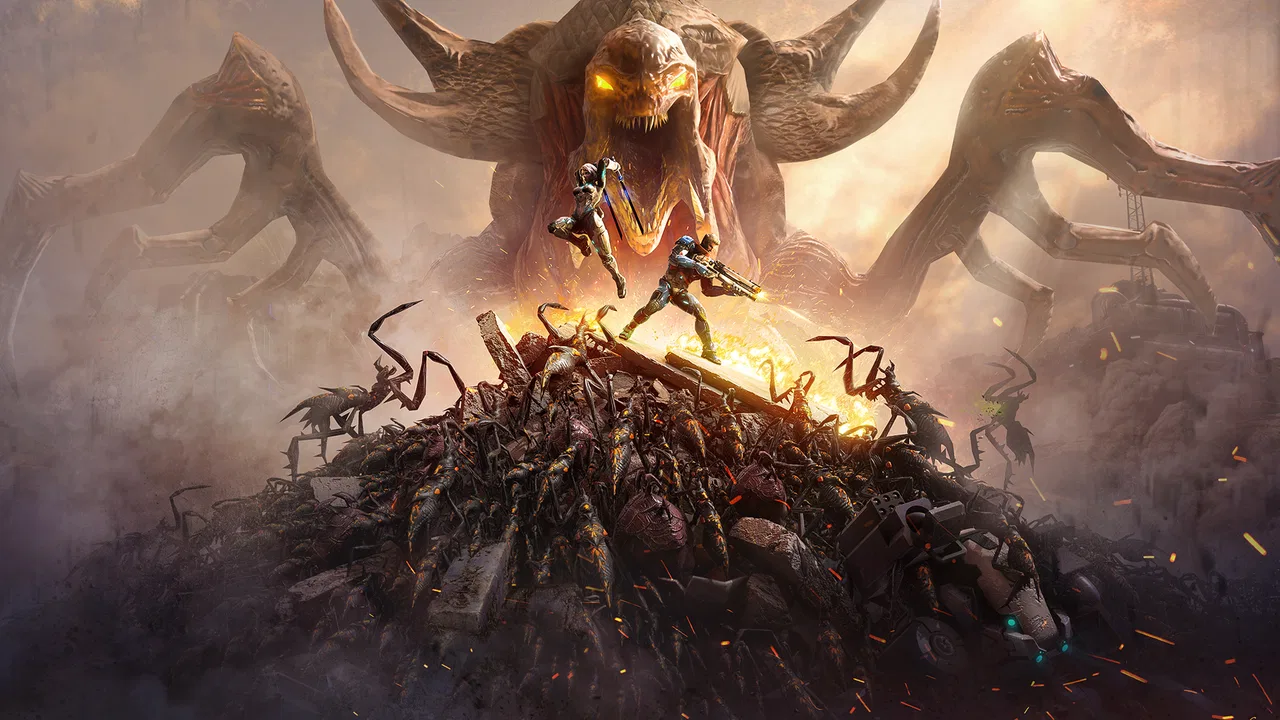
The game’s identity comes from placing its survival story on Mars rather than using a familiar medieval kingdom, modern battlefield, or fantasy realm. That setting gives the decisions a different flavor. Progress feels connected to the idea of establishing a foothold in a hostile environment, and the threat of swarms makes the settlement feel vulnerable even when I am concentrating on development rather than direct combat.
You May Also Like

 Blood Strike: 2.5 Anniversary
Blood Strike’s Loadouts Turn Every Drop Into a Tactical Gamble
A close look at Blood Strike’s custom loadouts: how fast access to signature weapons reshapes its battle royale rhythm, rewards preparation, and narrows the gap between fights.

 Pandora - Music & Podcasts
Pandora’s Music Is Easy to Start, but Harder to Recover
Pandora’s strength is its low-effort path from a seed to a station. Its weak spot is how much confidence it asks you to place in connection, setup, and quiet recovery.

 8 Ball Pool
 Is Built on Rivalries, Rematches, and Routine
A close look at the rivalries, rematches, shared routines, and unanswered safety questions that turn a quick pool match into a persistent mobile community.

 Samsung Music
’s Quiet Strength Is Playing What You Already Own
Its reach comes less from spectacle than from dependable access to a personal library. That simplicity is both the app’s strongest retention engine and its ceiling.

 AccuWeather: Weather Radar
AccuWeather Review: A Quick, Clear Forecast for Everyday Decisions
For everyday plans, the best forecast is the one you can understand quickly. AccuWeather makes rain timing, radar, and local conditions easy to act on, with a few trade-offs.

 Hill Climb Racing
Why Hill Climb Racing Still Turns Crashes Into One More Run
A tiny car, a bumpy hill and one more upgrade: Hill Climb Racing keeps resurfacing because its simple chaos makes every near-miss feel personal.
More From Our News Desk
View All News


That combination creates a useful rhythm. I can think about longer-term growth, then shift attention toward immediate danger when the situation demands it. The best moments come from balancing those priorities instead of treating every task as equally urgent. Expanding too quickly can leave me less prepared for trouble, while focusing only on defense can make progress feel slow and repetitive.
I would describe the game as a mobile strategy experience built around sustained decisions, not a traditional action game. The Marsaction name may suggest constant combat, but the larger appeal is the relationship between preparation and response. The swarms matter because they give the broader development loop a reason to exist; without that pressure, improving the settlement would feel more like administration than survival.
The presentation also benefits from having a clear theme. A science-fiction setting gives the game room to use unfamiliar surroundings and a more isolated atmosphere, while the survival premise keeps the objective understandable. I never had to wonder why development mattered: the point was to make humanity’s position on Mars stronger and safer.
What the early experience communicates well
The opening stretch is designed to make the basic direction clear. I quickly understood that progress comes from handling several connected responsibilities rather than relying on one powerful action. That is useful for newcomers to mobile strategy games, because the game’s purpose is easier to grasp than a system-heavy title that throws the player into a complicated world without context.
At the same time, the early clarity does not mean every later decision is equally simple. The more I considered what to improve first, the more important prioritization became. A short-term reward can be tempting, but it is not always the best use of attention if another development step will support several later goals. This is one of the game’s more worthwhile lessons: progress is not only about collecting improvements, but about choosing their order.
A practical routine helped me enjoy it more. I would check the settlement, identify the task most likely to unlock or support the next group of actions, and then leave rather than repeatedly opening the game without a purpose. Returning with a plan made the experience feel strategic. Opening it simply because I had a spare minute could instead turn the game into a sequence of small interruptions.
That distinction is important for anyone deciding whether to install it. Marsaction: Infinite Ambition works better when I give its systems a little patience. It is not the best fit for someone who wants every tap to produce an immediate and dramatic result.
Free access and what “value” means here
The game is free to download and play, which makes the initial decision straightforward. I can try the core experience without paying an entry fee, learn whether the Mars setting suits me, and decide later whether spending is worthwhile. That is a meaningful advantage over a paid game that asks me to commit before I know whether its pacing and structure fit my taste.
There are in-app purchases ranging from $0.99 to $99.99 per item. I see that range as a reason to keep the value question separate from the download question. Free access gives me a low-risk way to test the game, but it does not automatically mean the complete long-term experience will feel equally comfortable for every player. The important issue is whether I am happy with the free pace and whether I can resist treating purchases as a shortcut whenever progress slows.
I would not judge the game’s value by the largest purchase available. That would be the wrong comparison for most players. The more useful test is simple: can I enjoy planning, returning, and waiting for progress without feeling that every delay needs to be removed? If yes, the free version can offer a worthwhile strategy routine. If no, the presence of optional spending may make the experience feel more frustrating than entertaining.
Because the game is free, I recommend approaching purchases as convenience spending rather than as a requirement for discovering whether the game is good. Play long enough to understand the normal rhythm first. That way, any later purchase is based on a feature or shortcut you genuinely want, not on a first impression created by impatience.
Where the game delivers its strongest value
The strongest value comes from the way separate objectives encourage me to think in sequences. I do not only ask what can be improved immediately; I ask which choice will make the next few choices easier. That forward-looking habit is more satisfying than simply tapping the most visible upgrade, and it gives the game a little more depth than its survival premise alone might suggest.
Another strength is its suitability for short visits. I could make useful decisions without needing to reserve a whole evening for a session. A quick check can be enough to review progress, adjust priorities, and decide what should happen next. This makes it a reasonable companion for a commute, a break, or a quiet moment at home, provided I am comfortable with a game whose enjoyment grows through repeated visits.
A realistic everyday example is a player who has ten minutes before leaving for work. Instead of beginning a long mission, that player can review the current state of the settlement, choose the next sensible development step, and return later when more progress has accumulated. The game is valuable in that situation because it turns a small amount of attention into a meaningful planning decision. It is less valuable for someone with only ten minutes who expects a complete, satisfying match every time.
I also liked that the hostile Mars environment gives ordinary management choices emotional weight. Improving something is not just a number going up in the background; it supports the larger idea of keeping a human presence alive. That does not transform the game into a story-driven adventure, but it gives the routine a stronger reason to continue.
The tradeoffs behind the strategy loop
The same structure that makes the game convenient can also make it feel repetitive. Repeatedly checking progress and selecting the next task is enjoyable when I am invested in the larger plan. It becomes less engaging when I want a fresh challenge immediately. Players who prefer fast rounds, direct control, or constant tactical surprises may find the pacing too measured.
The Mars theme is memorable, but a good setting cannot carry a strategy loop by itself. After the novelty wears off, enjoyment depends on whether I still care about optimizing the next stage of development and responding to threats. That is why I would not recommend installing it solely because the premise sounds interesting. The premise opens the door; the routine determines whether you stay.
There is also a mental-cost tradeoff. Several objectives can make the game feel rich, but they can also create a sense of unfinished business. I sometimes found myself thinking about the next decision after closing the app, which can be satisfying for a strategy fan but tiring for someone who wants a relaxing game with no ongoing obligations. Setting a personal stopping point is useful, especially when the game invites frequent returns.
The in-app purchase range adds another consideration. Free players can sample the experience without financial commitment, while players willing to spend have access to purchases at several price levels. That flexibility is convenient, but it can make self-control part of the game. I would skip any purchase I could not explain clearly in terms of the time or enjoyment it would add. Spending simply to avoid a moment of waiting is rarely a good value.
Compared with a traditional premium strategy game, this is a more accessible and ongoing format. A premium title may offer a fixed campaign, a clearer endpoint, and fewer reasons to return repeatedly. Marsaction: Infinite Ambition is better suited to players who enjoy a living routine of development and defense. Compared with a fast competitive strategy game, it is less attractive if your priority is immediate matches and quick conclusions. Its value lies between those alternatives: more persistent than a one-off campaign, but less focused on short, decisive sessions.
Who should install it, and who should skip it
I think the game is a good choice for players who like science-fiction settings, gradual growth, and strategy that rewards planning ahead. It is especially suitable for someone who enjoys checking a game several times during the day and does not need every session to deliver a dramatic climax. The free entry point makes experimenting easy, so curious players have little reason not to test the first part of the experience.
It may also suit people who normally find strategy games intimidating. The Mars survival goal gives the systems a clear context, and the game can be approached through practical questions: what needs attention now, what supports future progress, and how prepared am I for the next threat? That way of thinking is easier to learn than a system with no obvious narrative purpose.
I would skip it if you dislike waiting, repeated management, or the possibility of optional purchases influencing how you think about progress. I would also choose another game if I wanted a deep, self-contained strategy campaign that I could complete on my own schedule without a persistent routine. The free price removes the financial barrier to trying it, but it does not remove the possibility that its pacing will simply be wrong for you.
For parents, the Teen content rating is worth noticing before handing the game to a younger player. That rating should be treated as part of the installation decision, especially on a shared device. Adults who are comfortable with the rating should still decide in advance how they want to handle in-app purchases, since the available items extend from small amounts to much larger purchases.
Device compatibility is also broad enough for many older phones and tablets: the game requires Android 6.0 or later. I would still judge the experience on the actual device rather than relying only on the operating-system requirement, because strategy games with persistent progress are most enjoyable when menus and transitions feel comfortable. The current version is 2.2.7, so keeping the installation updated is the sensible way to use the maintained release available to players.
How the audience response fits my experience
The game has an average rating of 4.3 from around 73 thousand ratings, with roughly 4.9 thousand written reviews. It has also passed 5 million installs. Those figures suggest that the concept has found a substantial audience, and I can understand why: the free entry, recognizable survival goal, and repeatable strategy routine make it easy to sample.
Still, popularity should not be confused with universal suitability. A large audience can include both players who enjoy long-term settlement management and players who are simply curious about the Mars theme. My own recommendation is therefore more specific: try it if you want a persistent science-fiction strategy game, but do not assume that a strong audience response means it will replace a premium campaign or a fast competitive title for you.
What matters most is how you react to the first signs of repetition. If returning to check progress feels like part of the fun, the game has a solid chance of becoming a regular habit. If it feels like maintenance before the real game begins, that reaction is unlikely to disappear just because the settlement grows.
My recommendation after weighing the cost and compromises
Marsaction: Infinite Ambition earns a recommendation as a free trial for strategy fans who enjoy Mars fiction, gradual development, and decisions spread across repeated visits. Its strongest value is not a single spectacular moment. It is the satisfaction of making a reasonable choice now, seeing that choice support later progress, and responding when the hostile environment demands a change of plan.
I would keep the spending decision separate from the enjoyment decision. Start free, learn the normal rhythm, and only consider an in-app purchase if you already like the game enough to know exactly what convenience you are buying. The broad purchase range means discipline matters more than the fact that the download costs nothing.
My final verdict is to install it if you want a patient, ongoing strategy game and are comfortable with a Teen-rated experience and optional purchases. I would skip it in favor of a premium campaign or a faster match-based game if you want a clear ending, immediate action, or a completely hands-off approach to spending. For the right player, Marsaction: Infinite Ambition turns a familiar survival idea into an enjoyable daily planning habit, and that is where I think it delivers its most convincing value.
FAQs for Marsaction: Infinite Ambition
01What is Marsaction: Infinite Ambition about?
Marsaction: Infinite Ambition is a strategy and base-building game set on a hostile version of Mars. You lead a group of survivors, develop a futuristic headquarters, gather resources, research technology, and recruit heroes to help humanity survive. The game combines city management, real-time combat, exploration, and a science-fiction storyline, so progress depends on both careful planning and regular activity.
02Is Marsaction: Infinite Ambition free to play?
Yes, Marsaction: Infinite Ambition can be downloaded and played for free, although it includes optional in-app purchases. These purchases may provide resources, speed up construction or research, and offer special bundles. It is possible to make progress without spending money, but free players generally need more patience and consistent daily play to keep pace with users who invest in premium items.
03Does the game require an internet connection?
Marsaction: Infinite Ambition is primarily an online game and normally requires a stable internet connection. Online access is needed for account synchronization, events, alliance features, server communication, purchases, and many gameplay systems. Because of this, it is not a suitable choice for completely offline play. Connection quality can also affect loading times and the smoothness of certain activities.
04What can players do in Marsaction: Infinite Ambition?
Players can construct and upgrade buildings, train units, research technologies, collect resources, explore the Martian landscape, complete missions, and fight hostile creatures or rival forces. You can also recruit and improve heroes, form or join alliances, participate in timed events, and cooperate with other players. The experience gradually expands from basic survival into long-term strategic development and competition.
05Is Marsaction: Infinite Ambition suitable for casual players?
The game can be enjoyed casually, especially during the early stages when missions and upgrades provide clear direction. However, it is designed around ongoing progression, timers, limited resources, alliance participation, and regularly changing events. Casual players may still have fun, but they should expect slower development and may find it difficult to compete with highly active or paying players on busy servers.
Pros
- Large-scale colony building with plenty of upgrades and research choices.
- Hero abilities add variety to battles and make squad selection meaningful.
- Regular events provide extra objectives beyond the main campaign.
- Alliance features encourage cooperation
- donations
- and shared progression.
- The sci-fi setting and alien enemies give the game a distinctive atmosphere.
Cons
- Progress can feel slow without frequent logins or resource management.
- Many upgrades and timers encourage spending premium currency.
- Combat is mostly automated
- limiting direct control during battles.
- The large number of systems may overwhelm new players at first.
- Competitive rankings can favor highly active or paying players.

Marsaction: Infinite Ambition
Gallery